Cusco’s gastronomy is a direct reflection of its Andean heritage, shaped by centuries of tradition, ritual, and local biodiversity. The best typical dishes in Cusco are not only meals; they are cultural expressions that connect visitors with the history of the former Inca capital. Ingredients such as native potatoes, corn, herbs, and ancient cooking techniques give Cusco cuisine its distinctive identity, making it one of the most authentic culinary destinations in Peru.
Cusco’s historic neighborhoods play a key role in preserving these flavors. In the San Blas neighborhood, renowned for its artistic atmosphere, travelers can discover traditional restaurants serving refined versions of classic Andean dishes. Meanwhile, the San Cristobal neighborhood, located near ancient temples, is home to local eateries where recipes are prepared following time-honored methods passed down through generations.
Festivities also highlight the richness of Cusco’s cuisine. During the Corpus Christi festivity, the city showcases one of its most emblematic dishes, chiriuchu. The Cross Festivity, also called Cruz Velacuy in Quechua, which is celebrated on May 3rd, brings communities together through food, music, and shared traditions, reinforcing the social importance of traditional cooking.
Exploring the best dishes in Cusco is an immersion into Andean culture, where every flavor tells a story of identity, celebration, and ancestral wisdom that continues to thrive today. Let’s list some of the main and most wanted typical dishes in Cusco.
Chiriuchu – Cold Spicy Dish
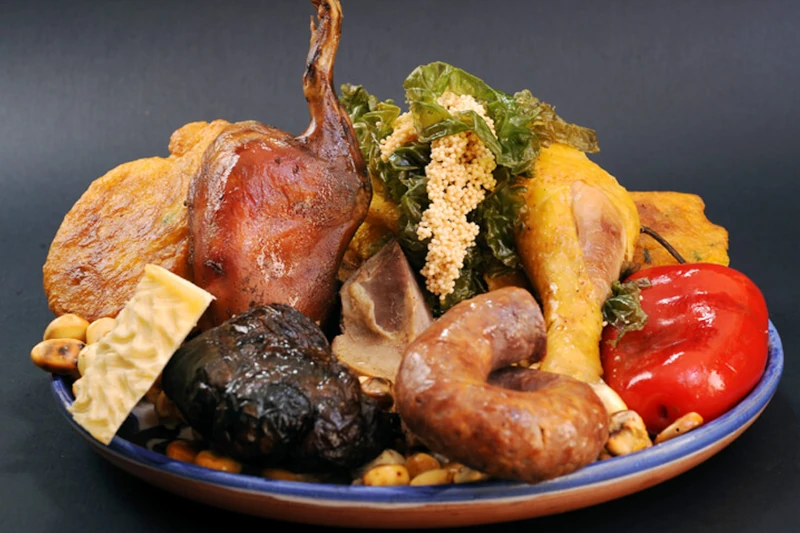
Chiriuchu is one of the most emblematic dishes of Cusco, deeply linked to ancestral traditions and religious festivities, especially Corpus Christi. This cold dish brings together ingredients from different regions, symbolizing cultural integration. It includes fish roes, beef or lamb jerky, blood sausage, toasted corn, seaweed, roasted cuy, cheese, and the traditional corn tortilla. Each component contributes unique textures and flavors, ranging from salty and smoky to crunchy and fresh. Chiriuchu is not only a meal but a ritual expression of faith, history, and Andean identity.
Cuy al Horno: Wood-Fired Roasted Guinea Pig
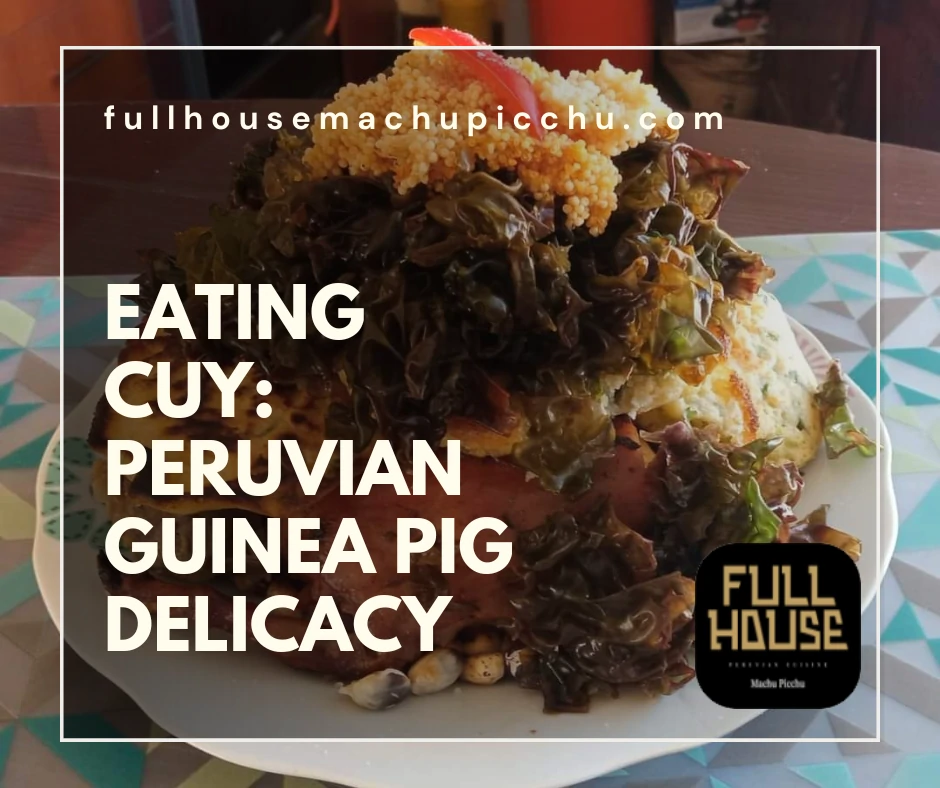
Among the most iconic dishes is cuy al horno, one of the most emblematic dishes served during major festivities in Cusco. Deeply rooted in the traditions of local communities. Prepared with native spices and slowly roasted to achieve a crispy exterior and tender meat. This dish is commonly shared during celebrations in the San Sebastian, San Cristobal, and San Jerónimo neighborhoods, where ancestral culinary practices remain strong. Cuy al horno plays an important role during religious and cultural events such as Corpus Christi and Inti Raymi, symbolizing abundance, gratitude, and communal unity. Its presence at these festivities reflects the enduring connection between Andean cuisine, ritual, and cultural identity.
Chicha de Jora: Fermented Corn Beer
Chicha de jora is one of the oldest traditional beverages in the Andes, made from fermented corn and deeply embedded in Cusco’s cultural life. In the Santa Ana neighborhood, this ancestral drink is still prepared and served in traditional chicherias, where recipes have been preserved for generations. It is commonly enjoyed in a large glass, locally called “Caporal”, symbolizing hospitality and communal sharing. The presence of red plastic flags hanging outside these establishments signals that fresh chicha is available. More than a beverage, chicha de jora represents identity, tradition, and the continuity of Andean customs in everyday life.
Chicharron – Cusco-Style Crispy Pork
The Cusco-Style Crispy Pork is a celebrated Andean dish that reflects local tradition and generous flavors. Prepared with tender pieces of pork slowly fried until juicy inside and crisp outside, it is basically seasoned with salt. This hearty specialty is traditionally served with fresh boiled corn, chopped onion, and golden fried potatoes, creating a balanced and satisfying plate. A key accompaniment is uchucuta, the classic Cusco chili sauce, which adds freshness, heat, and complexity. Enjoyed during festivities and markets, this chicharron represents comfort food and cultural identity in Cusco for locals and travelers seeking authentic regional cuisine experiences.
Lechon al Horno – Roasted Suckling Pork
Lechón al horno, or the roasted suckling pork, is a traditional Andean dish widely enjoyed during festivities and special occasions in Cusco. The pork is marinated with local spices and slowly roasted until the meat is tender and the skin becomes perfectly crisp. It is commonly served with wheat bread, tamales, and moraya “dehydrated potato”, creating a hearty and balanced plate rooted in Andean food traditions. This dish is especially popular during the Day of Life on November 1st, when families prepare abundant meals to honor their loved ones.
Capchi de Zetas – Mushroom and Broad Bean Stew
Capchi de zetas is a traditional Andean dish that highlights the delicate flavors of wild mushrooms known as k’allampas, combined with fresh fava beans and a lightly seasoned sauce made with milk, cheese, and native herbs. This comforting preparation is especially popular during the rainy season, when mushrooms are freshly harvested in the highlands around Cusco. Capchi de zetas is often enjoyed as a warm dish, providing nourishment and balance after a long day.
Chairo – Dehydrated Potato Soup
Chairo is a traditional Andean stew from the Cusco region, valued for its rich flavor and hearty character. This hot soup is prepared with slices of lamb and lamb casings, combined with native ingredients such as Smushed Moraya “dehydrated potato”, potatoes, and vegetables that give the dish its distinctive texture. Aromatic herbs, especially andean mint, enhance the broth, creating a comforting and deeply satisfying meal. Chairo is commonly enjoyed during cold Andean mornings or festive gatherings, offering warmth and nourishment.
We dedicate this article to the best representative dishes of the Cusco region. Some of them, such as the emblematic Cuy al horno, can be enjoyed in traditional restaurants in Cusco, as well as in tourist restaurants in Aguas Calientes, such as Full House Machu Picchu.